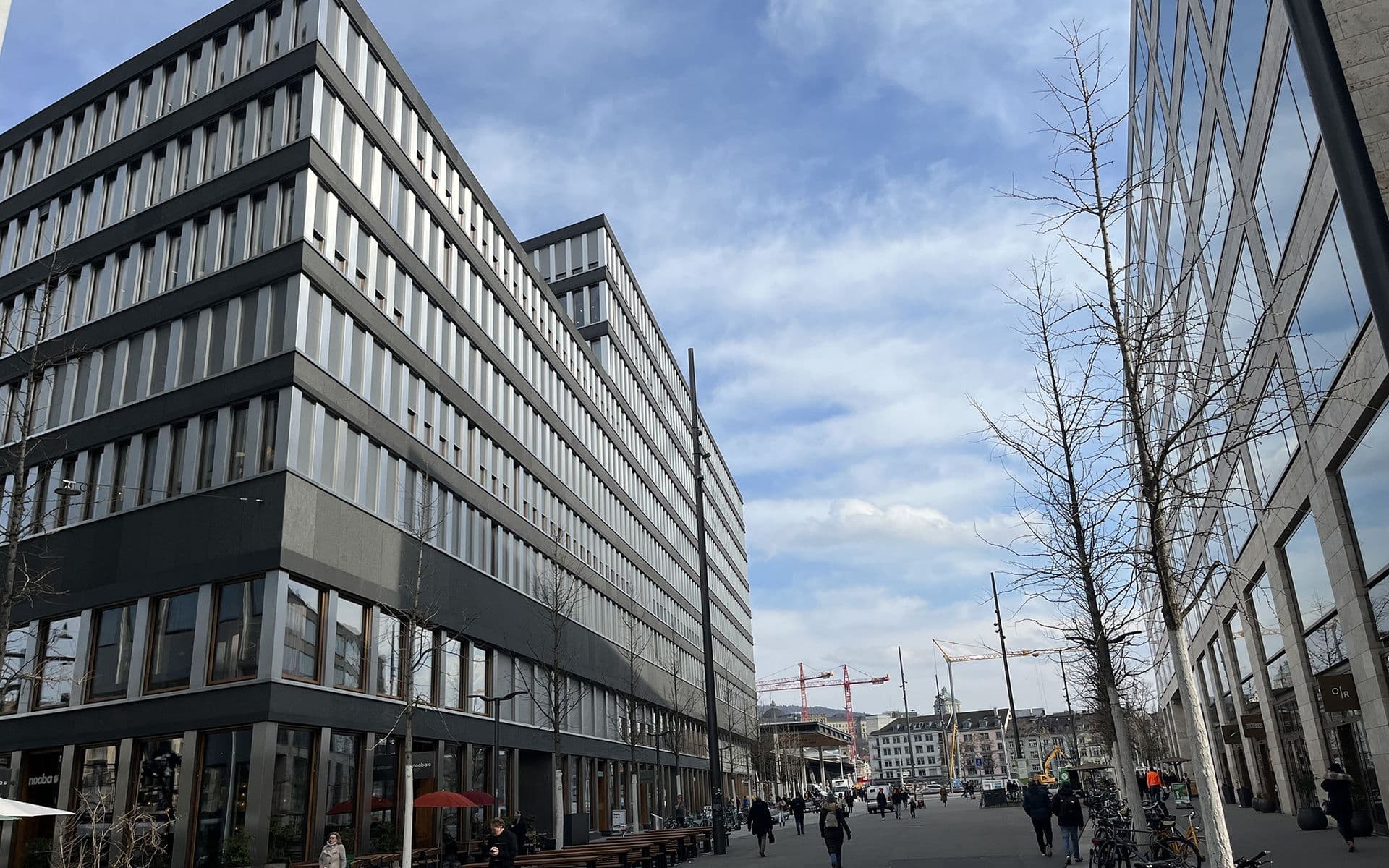
01Impregnation
Protect concrete surfaces against water and dirt and make later maintenance easier.
Suitable for builders, administrations, planners and those responsible for maintenance of new or cleaned concrete surfaces.

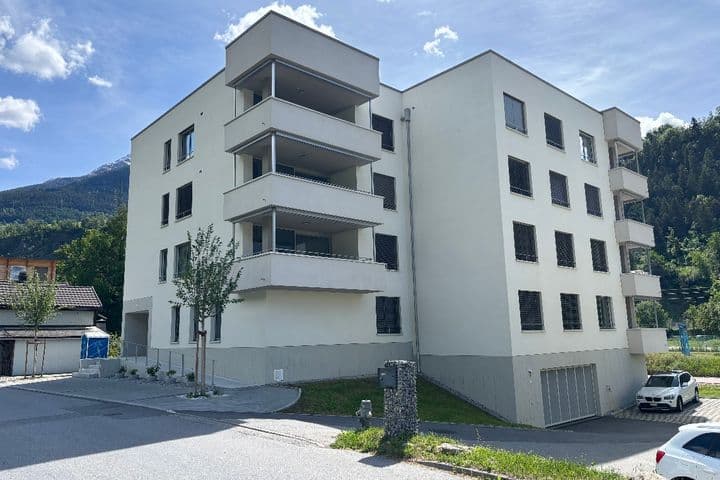
Concrete protection
Concrete protection reduces the absorption of water and dirt without unnecessarily changing the character of exposed concrete. Whether impregnation or deep hydrophobic treatment is appropriate depends on exposure, absorbency and the desired protection.
Guidance and selection
Concrete protection reduces the absorption of water and dirt without unnecessarily changing the character of exposed concrete. Whether impregnation or deep hydrophobic treatment is appropriate depends on exposure, absorbency and the desired protection.
For new and existing exposed-concrete facades, plinths, stairs, interiors and components that need protection from moisture, dirt or weathering.
Guidance and selection
Surface protection and deep protection serve different purposes. We assess the component and select the system according to exposure, appearance and maintenance needs.
01Protect concrete surfaces against water and dirt and make later maintenance easier.
Suitable for builders, administrations, planners and those responsible for maintenance of new or cleaned concrete surfaces.
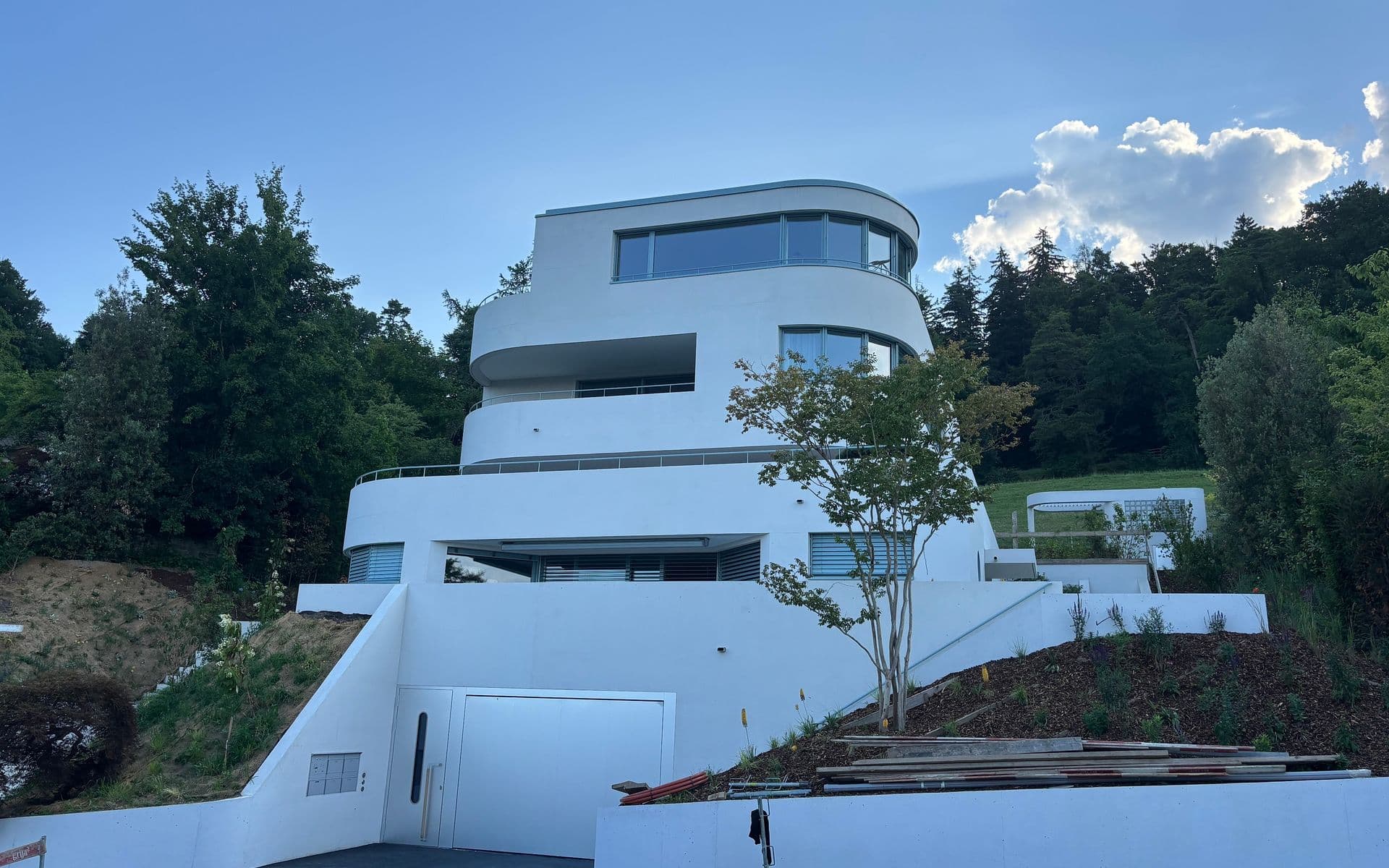
02Reduce the capillary water absorption of weather-exposed concrete components without completely closing the pores.
Relevant for planners, builders, administrations and operators of facades, bridges, traffic and exterior components made of concrete.
Our approach
Absorbency, moisture, contamination and previous treatments are assessed.
Together we clarify exposure, desired appearance and cleaning and maintenance requirements.
A trial area shows absorption, performance and any possible visual changes.
The treatment is applied evenly under suitable conditions and checked on completion.
Selected projects directly related to this service group.
20+
Years of experience600+
Projects completed8
Skilled team membersFAQ
Hier gibt es verschiede Einflüsse aus der Luft, Wasser oder durch Salze. Auch Pilzbefall oder Algen können den Beton schädigen.
Während eine Imprägnierung in die Poren eindringt, wird bei einer Versiegelung auf der Oberfläche eine Schicht gebildet. Durch die Bildung dieser Schicht ist die Versiegelung sichtbarer, dafür ist die Schutzdauer höher als bei der Imprägnierung.
Beton ist nicht wasserdicht. Man kann jedoch mittels Nachbehandlung erreichen, dass der Beton wasserdicht ist.
Es kommt darauf an, was man mit einer Behandlung erreichen möchte. Schildern Sie uns Ihr Anliegen, damit wir Ihnen weiterhelfen können.
Durch eine Nachbehandlung der Oberfläche.
Durch eine Tiefenhydrophobierung und anschliessende Imprägnierung ist Ihr Beton optimal gegen Wasser geschützt. Der Frost/Tausalzwiderstand des Bauteils erhöht sich.
Ja kann man, je nach Einsatzgebiet ist es aber nicht immer die beste Lösung.
Impregnation penetrates the pores and usually changes the visible surface less. A sealant forms a stronger layer on the surface and can have a more significant impact on shine, feel and vapor permeability.
Depending on the product and absorbency, slight color deepening or differences in gloss are possible. A sample area shows how the system works on the concrete concrete.
The service life depends on the product, penetration depth, weathering, use and cleaning. Horizontal surfaces that are subject to heavy loads generally require inspection sooner than protected facade areas.
The concrete must be sufficiently hardened and dry; Release agents, after-treatment agents and contamination must be removed. The appropriate time depends on the system, component and construction site conditions.
Mild cleaning agents that match the protection system should be used. Aggressive chemicals, abrasive processes and uncontrolled high pressure can shorten the protective effect.
The hydrophobic agent penetrates the capillary pore structure and reduces water absorption there. The pores are not completely closed, which means water vapor can continue to escape.
With deep hydrophobization, the focus is on penetration depth and reduction of capillary water absorption. The term impregnation is used more broadly and can also include systems with a different effect or lower penetration depth.
The reduced water absorption can reduce frost and de-icing salt loads. However, it does not replace the repair of cracks, spalling or chloride-contaminated concrete and must be part of a suitable protection concept.
Suitable systems usually only change the appearance of the concrete slightly. Nevertheless, sample areas are necessary because the color and water repellency can have different effects depending on the absorbency and pretreatment.
The time of inspection depends on exposure, penetration depth, use and product. Water absorption can be assessed through tests or comparison areas before renewal is planned.
Send us photos or project details. We will assess the surface, exposure and suitable protection system.